Shopping Cart


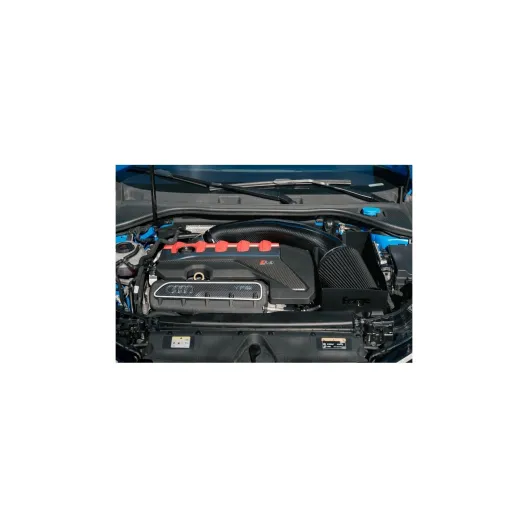
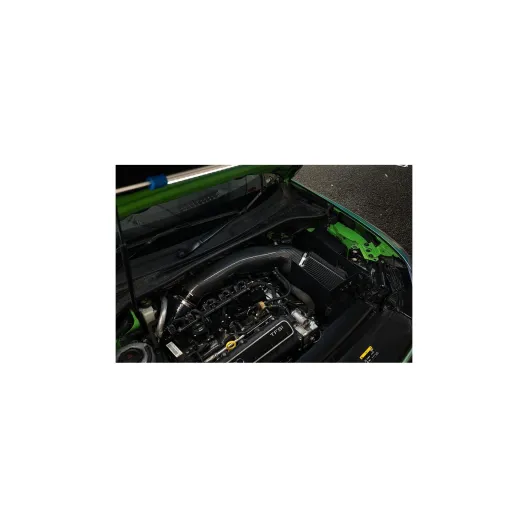
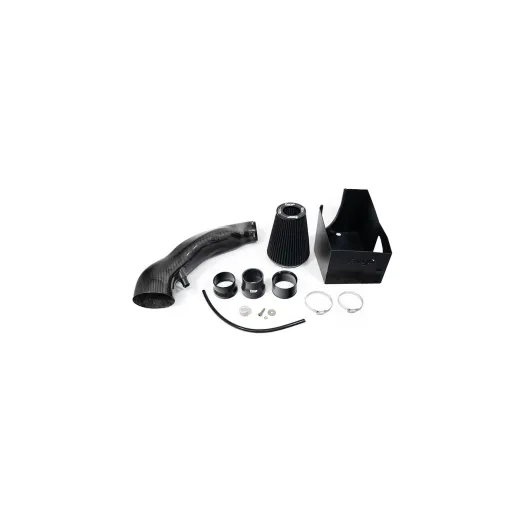
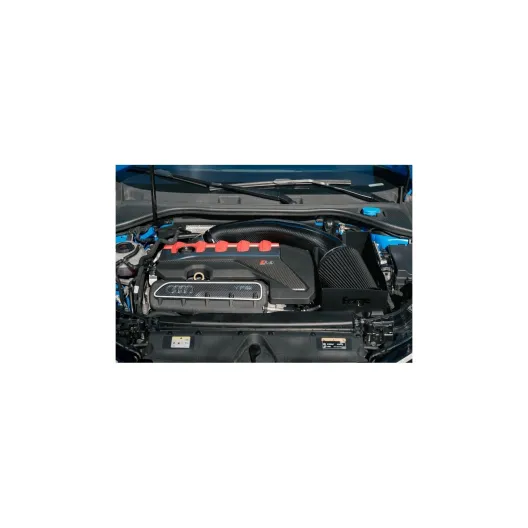
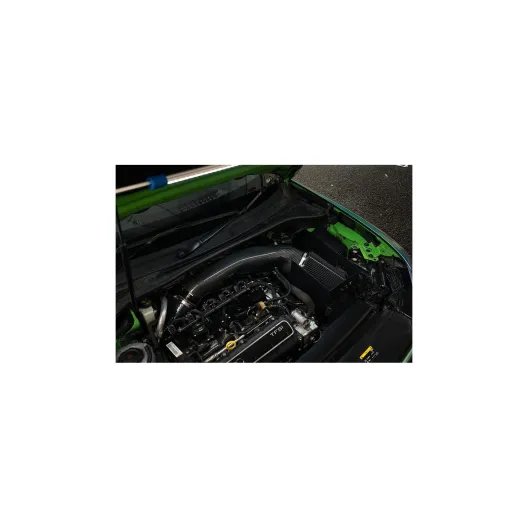
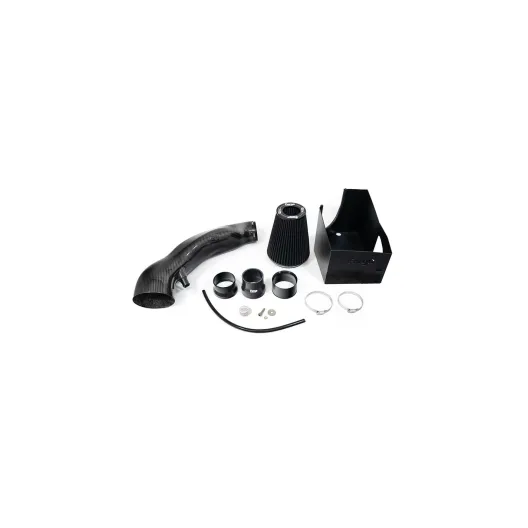
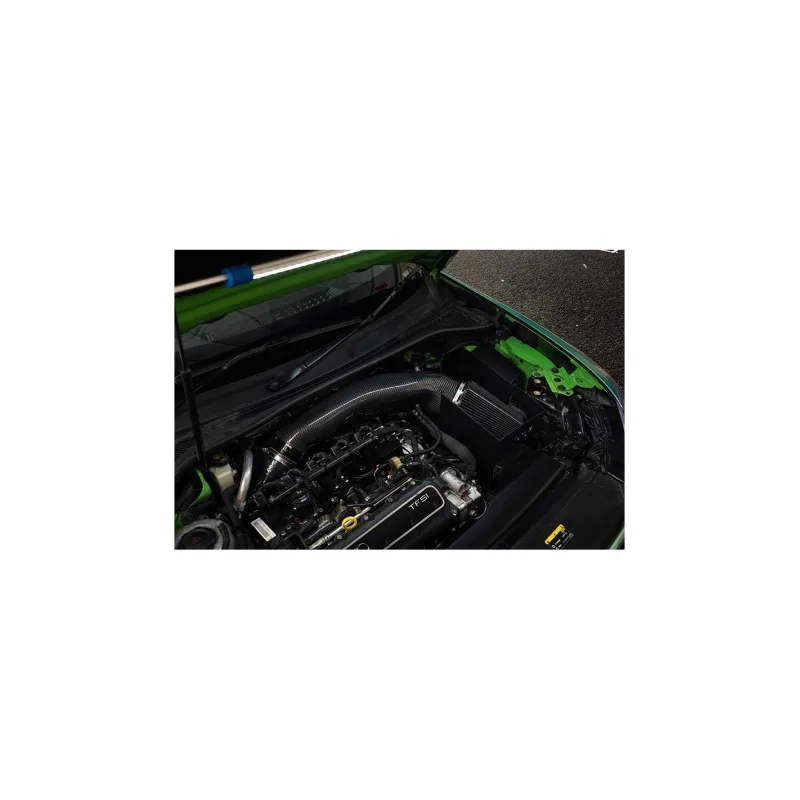
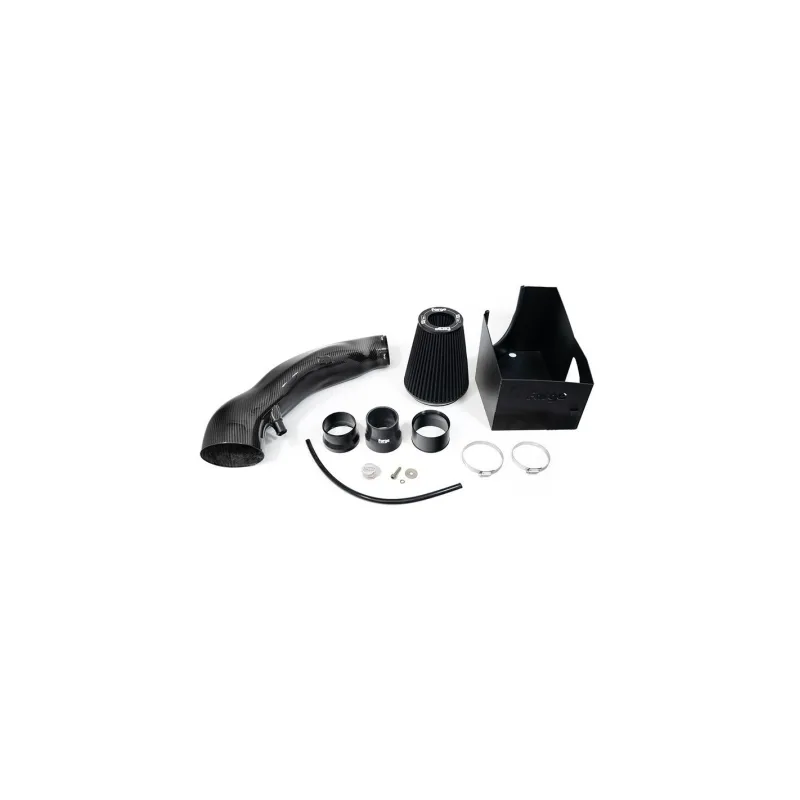
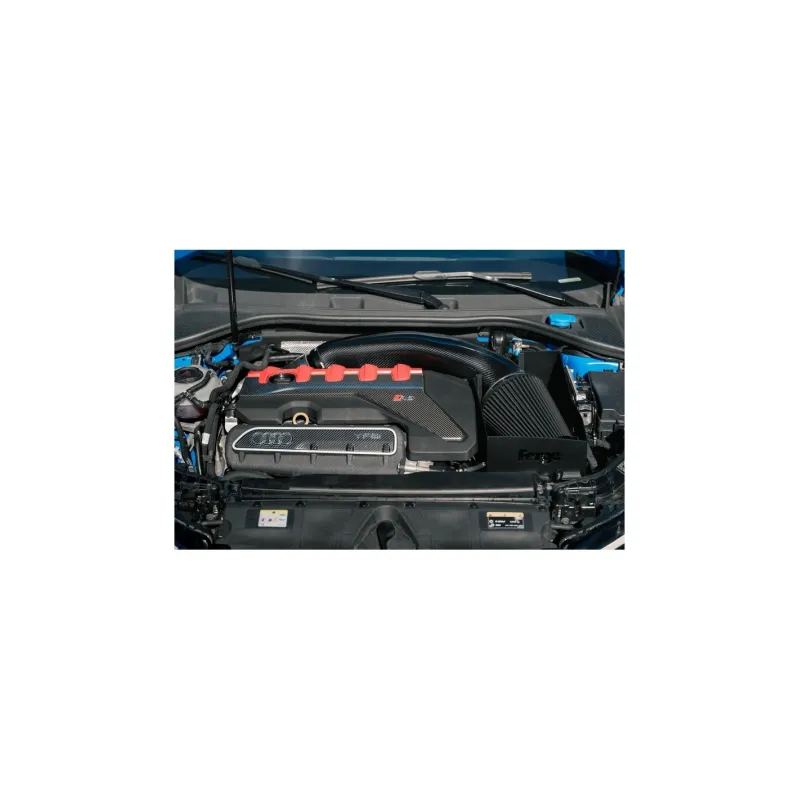
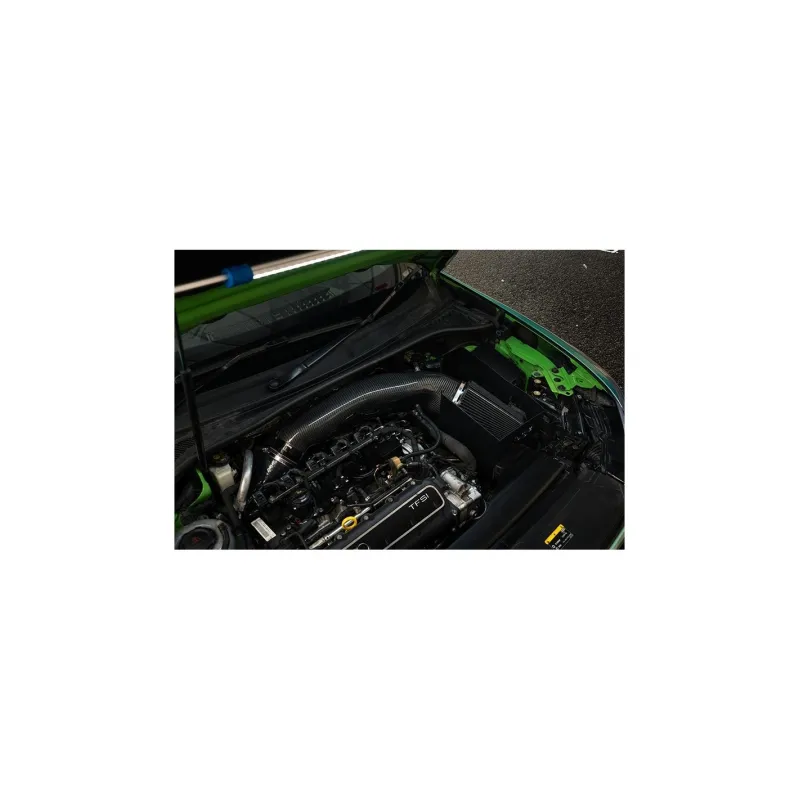
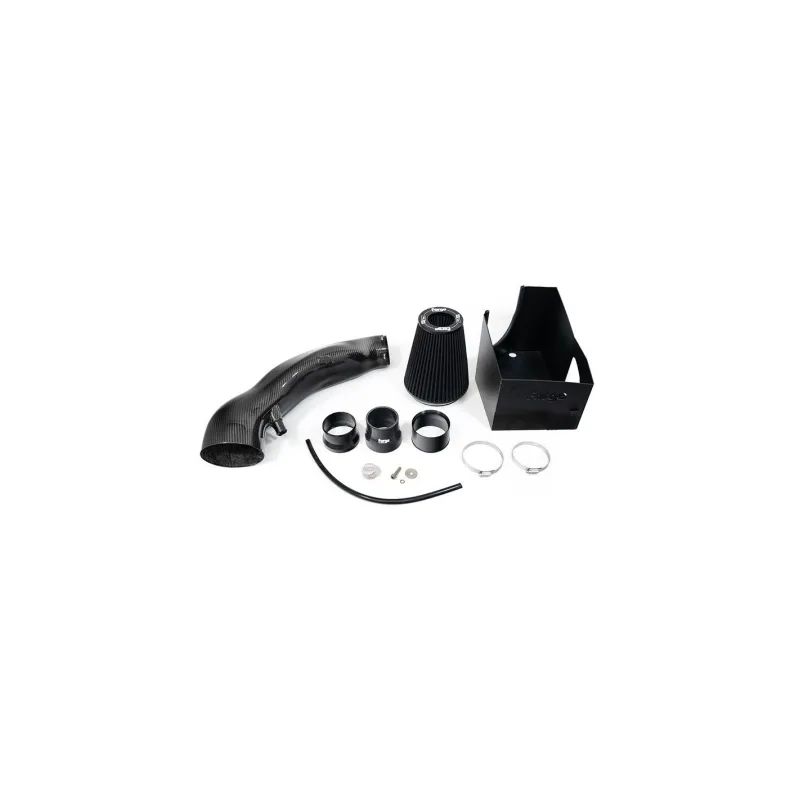

Forge Motorsport FMINDK47 Carbon Direct Intake with Filter for Audi RS3 8Y (2021+)
Preorder
FMINDK47
Note: If you own an Audi RSQ3, please indicate this in the notes section during checkout.
Forge Motorsport has a worldwide reputation for producing industry-leading parts for a variety of high-performance vehicles; for this reason, we were able to work with some of the most experienced tuning professionals to produce the most versatile Audi RS3/RSQ3/TTRS high-performance intake on the market. Special thanks to Litchfield Motors, MRC Tuning, and KSF Motorsport who helped our development of the RS3 8V/8Y intake reach the final product you see today.
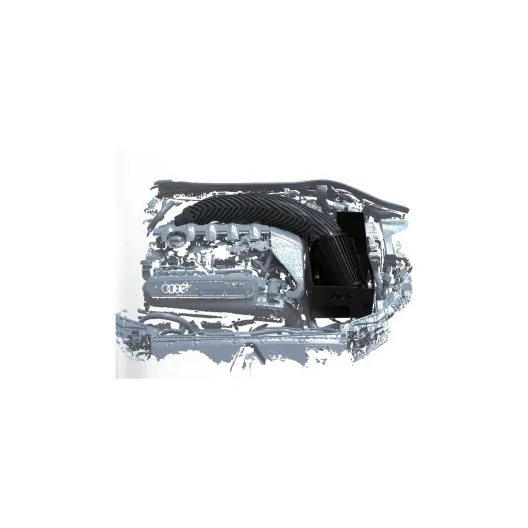
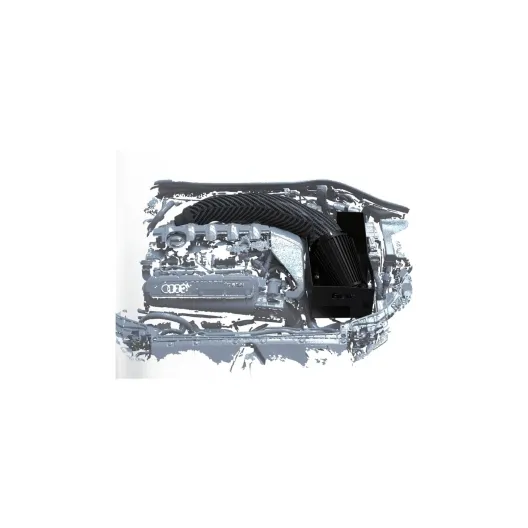
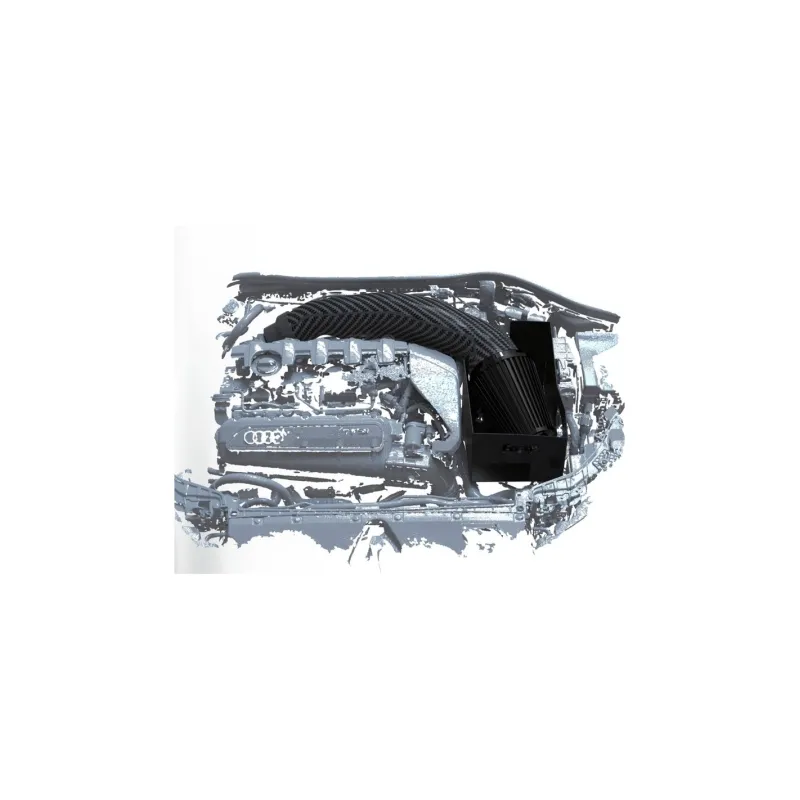
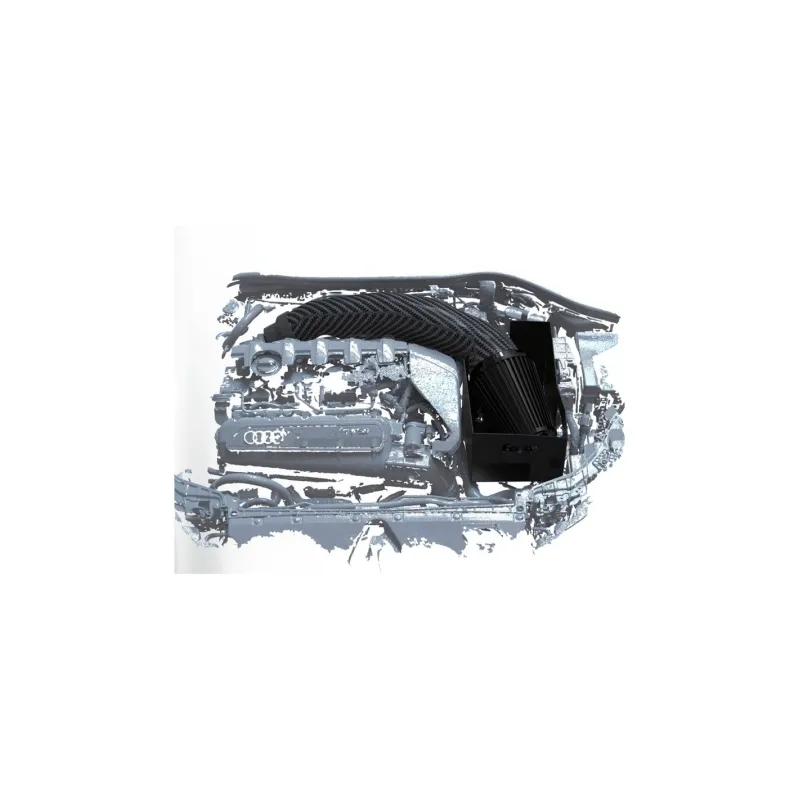
3D scans of the RS3 8Y and RS3 8V in both left-hand drive (LHD) and right-hand drive (RHD) provided us with four separate scans of the vehicle, which we were then able to combine into a single file, allowing us to create an intake that fits all four variants. So, no matter where you are in the world or whether you have an RS3 8V or 8Y, the Forge Motorsport FMINDK47 is the intake for you.
Ensuring our high-performance intake is a one-size-fits-all solution also involved understanding how turbo inlets vary worldwide for the RS3 market. The OEM turbo elbow is a cast aluminum part with a 3" inlet tract that tapers to the factory turbocharger's cold side feed. Forge Motorsport offers and manufactures an upgraded silicone inlet elbow and turbo inlet adapter (FMINLH9) to not only increase the inlet tract area but also the volumetric capacity. This has been increased to 3.5" and is the largest available product that fits RHD vehicles (due to space constraints with the master cylinder, it is not physically possible to increase this size further). However, this is not an issue on left-hand drive vehicles, and as such, various 4" variants are available. To ensure our intake works in conjunction with stock or aftermarket intake elbows on both right- and left-hand drive vehicles, we've incorporated an innovative solution that will be interchangeable if you'd like to further enhance the performance of your Audi's engine.
FMINDK47 incorporates and includes modular couplers so it can adapt to any size turbo inlet you choose. The machined end of the carbon air intake where it meets the inlet tract at the elbow has a 4" (102 mm) billet threaded connection that tapers to the massive 6" pleated filter on the intake side. This billet alloy connection allows the end user to have interchangeable adapters. Having this amount of adjustment with a significant increase in airflow allows this product to be suitable for stock or aftermarket turbo inlet solutions, whether silicone or aluminum. This allows The enthusiast can swap adapters depending on whether they are currently stock or modified. The FMINDK47 will support your RS3 in literally any state of tune.
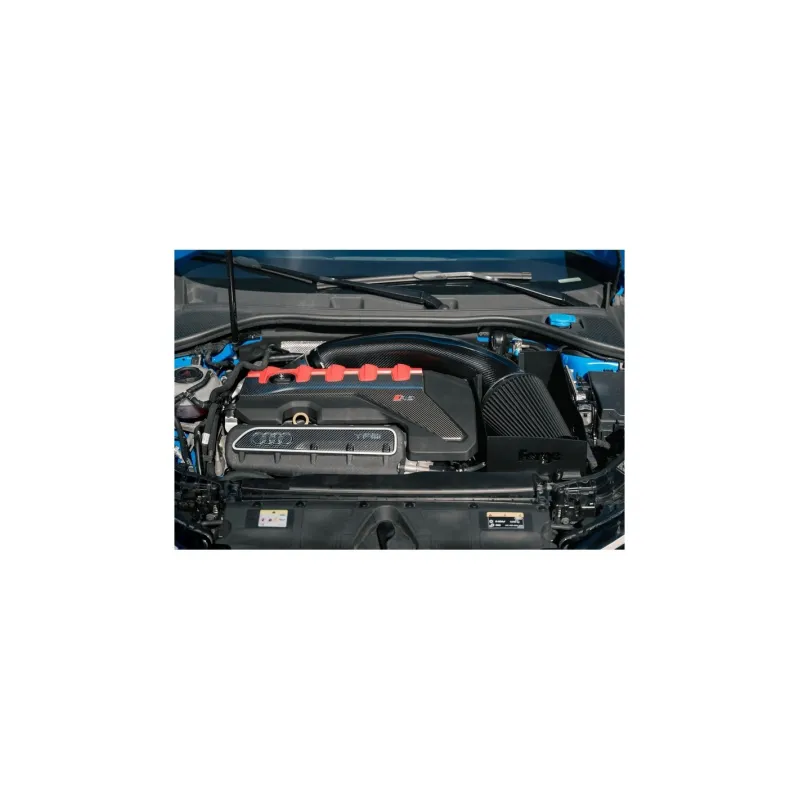
Keeping intake air temperatures (IATs) low is often a challenging part of induction system development, and several variations have been tested with the FMINDK47. We decided to retain the OEM air intake to feed a specially designed heat shield that sits flush with the hood. An opening on the non-engine side also helps with vehicles running Stage 3+, as there is indirect airflow in this area, and during testing, a fully enclosed airbox caused restrictions.
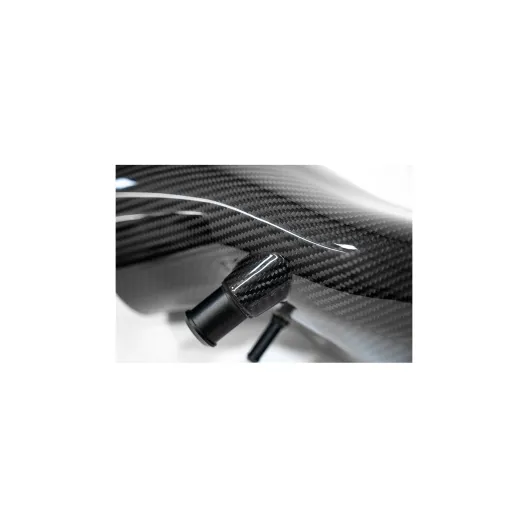
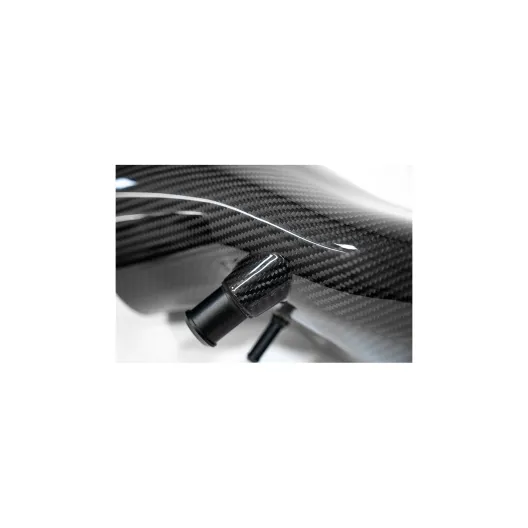
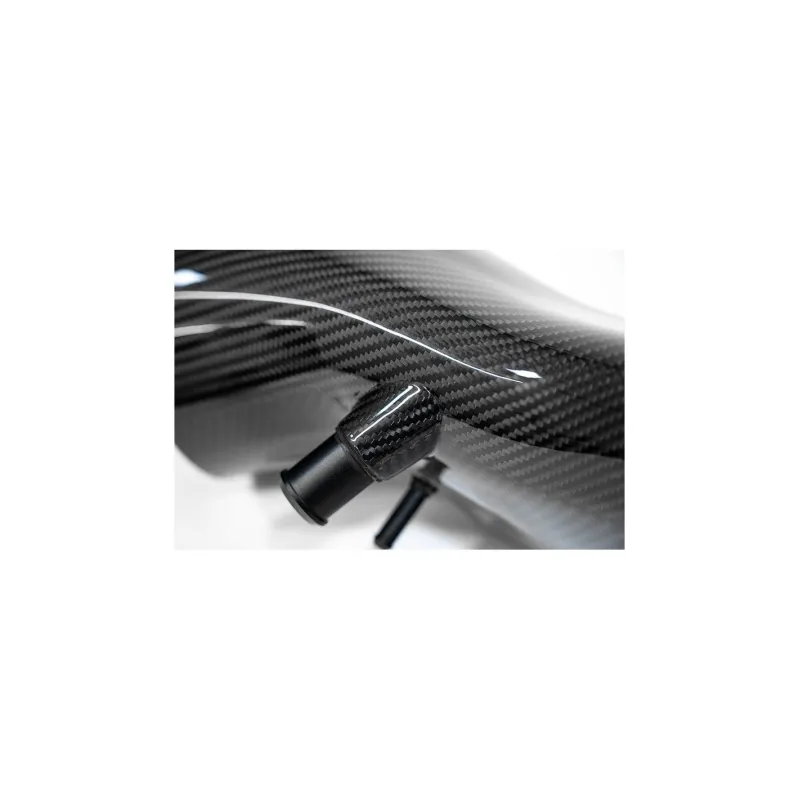
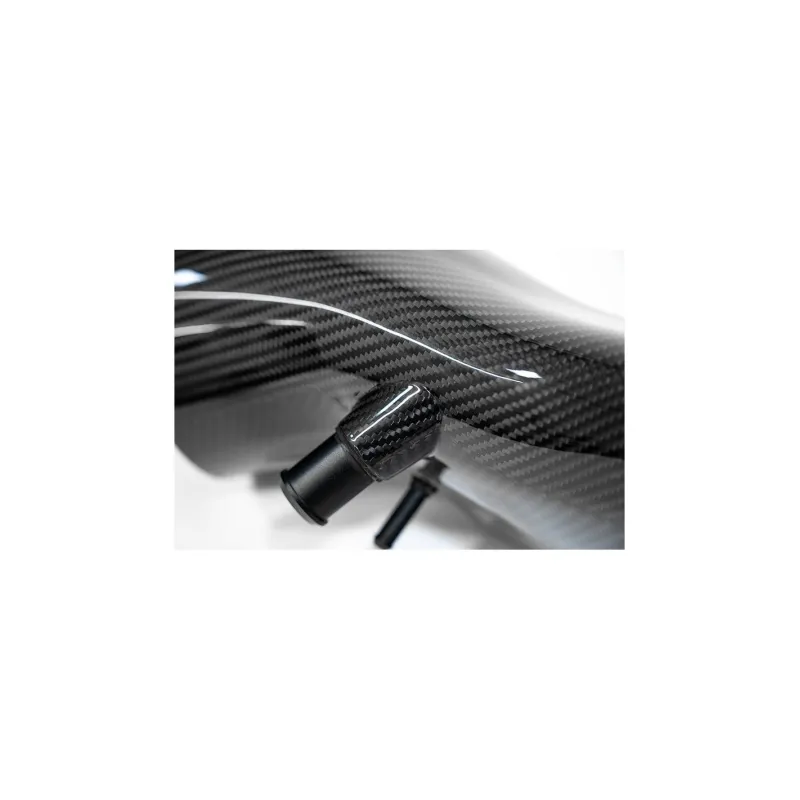
Using carbon fiber brings obvious advantages in terms of strength, weight, and aesthetics. However, one aspect that is often overlooked is its low thermal conductivity, which means it reduces heat absorption and heat transfer to nearby objects. Replacing metal or plastic inlet solutions with the FMINDK47 will help reduce IATs and increase the The volume of air supplied to the vehicle's engine is compressed by the turbocharger. This improves cold-weather performance by providing the engine with more oxygen (denser air), thus improving combustion in each cylinder. Furthermore, by regulating and reducing air temperature, it also increases engine reliability by maintaining AFRs (air-fuel ratios) in each cylinder at a safe level, which in turn can increase engine power due to the cooler air. A larger bang is then created inside the cylinder, provided the right amount of fuel is added. This can equate to increased horsepower and torque.
We use SolidWorks CAD, 3D printing, and numerous test sessions to truly unlock the power. Simulation tests have
Tap to zoom